

Show



Digestive enzymes
Enzymes are proteins that help speed up chemical reactions in our body. Enzymes are essential for digestion, liver function and many other functions. Too much or too little of a certain enzyme can cause health problems. Enzymes in our blood can also help determine whether we have diseases. But how do digestive enzymes work and who really needs to include them in their diet? We provide the answers you need.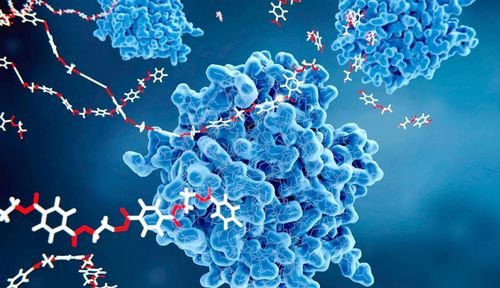
What are digestive enzymes?
Enzymes are proteins that help speed up metabolism or chemical reactions in the body. They create some materials and break down others. All animals and humans have enzymes. Our bodies naturally produce enzymes. However, enzymes are also found in food. Naturally occurring digestive enzymes are proteins that our bodies produce to break down food and aid in the digestive process.What do enzymes do?
One of the most important roles of enzymes is to aid in digestion. Digestion is the process by which the food we eat is converted into energy. For example, our saliva, pancreas, intestines and stomach contain enzymes. They break down fats, proteins and carbohydrates. Enzymes use these nutrients for growth and cell repair. During the digestion process, food is converted into monomeric substances that the organism or cell can use for further synthesis of molecules as raw material or as a source of energy for our body. When we eat or just snack, digestion begins in the mouth. Our saliva begins to break down food into a form that the body can absorb. There are many different points in the digestive process where enzymes are released and activated. The stomach, small intestine and pancreas produce digestive enzymes. The pancreas is actually a "powerhouse" of digestive enzymes. It produces the most important digestive enzymes that break down carbohydrates, proteins and fats. Enzymes also help:- For breathing
- For muscle building
- For nerve function
- To remove toxins from the body

Types of digestive enzymes
There are thousands of individual enzymes in the body. Each type of enzyme has a unique function. For example, the enzyme sucrase breaks down a sugar called sucrose. Lactase breaks down lactose, a type of sugar found in dairy products. Among the many enzymes, the main digestive enzymes that are produced in the pancreas are distinguished:- Amylase (made in mouth and pancreas; breaks down complex carbohydrates)
- Lipase (made in the pancreas; breaks down fat)
- Protease (made in the pancreas; breaks down proteins)
- Some other common enzymes are produced in the small intestine, including:
- Lactase (breaks down lactose)
- Sucrase (breaks down sucrose)
What makes enzymes
Each enzyme has an "active part". This area has a unique shape. The substance that the enzyme acts on is the substrate. The substrate also has a unique shape. Enzyme and substrate must be "friends" to function optimally.What is digestive enzyme deficiency?
Some people do not have enough digestive enzymes, or their bodies do not produce enzymes as they should. This means they cannot break down certain foods and absorb nutrients. Several types of digestive enzyme deficiency:- Congenital sucratium-isomaltase deficiency: You don't have enough sucratium to digest certain sugars.
- Exocrine pancreatic insufficiency: ECN occurs when your pancreas does not produce enough enzymes to digest carbohydrates, proteins, and fats.
- Lactose intolerance: Your body does not produce enough lactase, so you may have trouble digesting the sugar naturally found in milk and dairy products.
Symptoms of digestive enzyme deficiency
Deficiency of digestive enzymes can cause nutritional or gastrointestinal disorders. Common symptoms include:- Abdominal pain or cramps
- Flatulence
- Diarrhea
- Gas
- Oily stools (bowels)
- Unexplained weight loss
Digestive Enzyme Supplements
Digestive enzyme supplements are gaining popularity due to positive reviews for overcoming common forms of intestinal irritation, heartburn and other ailments. People without chronic health conditions can usually get the enzymes they need from a healthy diet. It is recommended to use high-quality enzyme supplements if you encounter problems such as:- normal digestion
- bowel and defecation problems
- abdominal pains
What can cause digestive enzyme deficiency?
In some people, enzyme deficiency is a genetic inheritance. Such a gene may be inherited from the parents or the gene may mutate and the specific cause will not be clear. Enzyme deficiencies can be congenital or develop gradually over time. Some medical conditions or medical treatment can cause pancreatic enzyme insufficiency, which can result in:- Chronic pancreatitis
- Cystic fibrosis
- Gastrointestinal operations
- Pancreatic cancer
- Any condition that disrupts your pancreas

Is it possible to get enzymes
There are enzyme supplements that help the body process food and absorb nutrients better and alleviate food intolerances. A lot of research is being done on the benefits of enzymes to our body. There is also research into the role of digestive enzymes in the treatment of irritable bowel syndrome, but there is no definitive evidence yet to suggest that enzymes can help the condition. Many people take digestive enzyme supplements for problems such as:- acid reflux
- gas accumulation
- bloating and diarrhea.
Can we get digestive enzymes from the food we eat?
There's no real evidence to suggest that enzyme-rich foods like pineapples and avocados help your digestion. You're better off eating a well-balanced diet that includes fresh fruits and vegetables, lean proteins, and whole grains. These foods will naturally help support the process that your digestive enzymes are already doing. We suggest eliminating processed, fatty foods from your diet, especially fried foods. Gastrointestinal irritation or other problems are much more likely to be caused by junk food than by enzyme deficiency.How temperature and pH affect enzymes
In order for enzymes to work, they need the right conditions. If conditions are not right, enzymes can change shape. Then they cannot function well. Each enzyme has an ideal temperature and pH:- pH: Enzymes are sensitive to acidity and alkalinity. They do not work properly if the environment is too acidic or basic. For example, an enzyme in the stomach called pepsin breaks down proteins. If your stomach doesn't have enough acid, pepsin can't function optimally.
- Temperature: Enzymes work best when your body temperature is normal, around 37°C. Enzyme reactions increase as temperature increases. But if the temperature gets too high, the enzyme stops working. This is why a high fever can disrupt body functions.
